Riverland Real Estate: Why Experts Call It a Bargain Amidst Vineyard Struggles
Located just two hours from one of the world’s most liveable cities, South Australia’s Riverland region is currently presenting a unique paradox in the property market. While residential buyers and agricultural investors are finding exceptional value in the area, the local viticulture sector is grappling with severe economic headwinds. Industry experts suggest that for those willing to overlook distance and navigate shifting crop trends, this region offers one of the last genuine opportunities for affordable real estate in the state.
The Vineyard Market Under Pressure
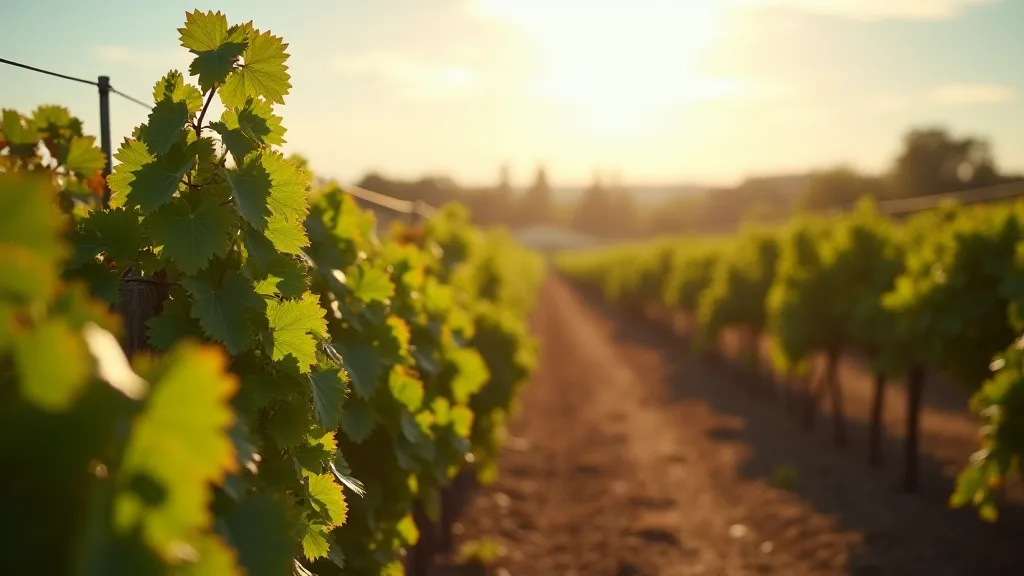
The agricultural landscape in the Riverland is undergoing a significant transformation, driven largely by the struggles of red wine grape growers. Nigel Christie of Urban & Rural Partners highlights that the market for Shiraz plantings has effectively collapsed due to unfavorable economics. With production costs ranging from $400 to $500 per ton and buyers offering as little as $80 per ton, many growers are left with no financial incentive to harvest their crops.
This disparity is evident in current listings, such as a 32.62-hectare vineyard in Winkie featuring 12 hectares of Shiraz. Christie notes that approximately 80% of Shiraz planted in the Riverland remains on the vine at harvest time because it is not commercially viable to pick. Consequently, large blocks of land dominated by these specific vines are difficult to sell as working vineyards. The cost of clearing old vines is exorbitant, and even after removal, finding buyers willing to commit to the region remains a challenge.
Price Disparities with Virginia
The undervaluation of Riverland property becomes stark when compared to South Australia’s other primary food bowl, Virginia. Christie points out that prime irrigated land in the Riverland can be purchased for a fraction of the cost of similar land in Virginia, despite offering four times the acreage.
For context, while buyers in Virginia are paying $1.6 million for 20 acres of land, a seller in the Riverland might struggle to secure $700,000 to $800,000 for 80 acres of vines across five titles. Christie recently sold a 20-acre fully irrigated vineyard in the region for just $120,000—a price point that highlights how deeply depressed certain segments of the market have become. This gap suggests that investors who can repurpose land for almonds, olives, or vegetables could acquire substantial assets at rock-bottom prices.
Residential Value and Remote Work Opportunities
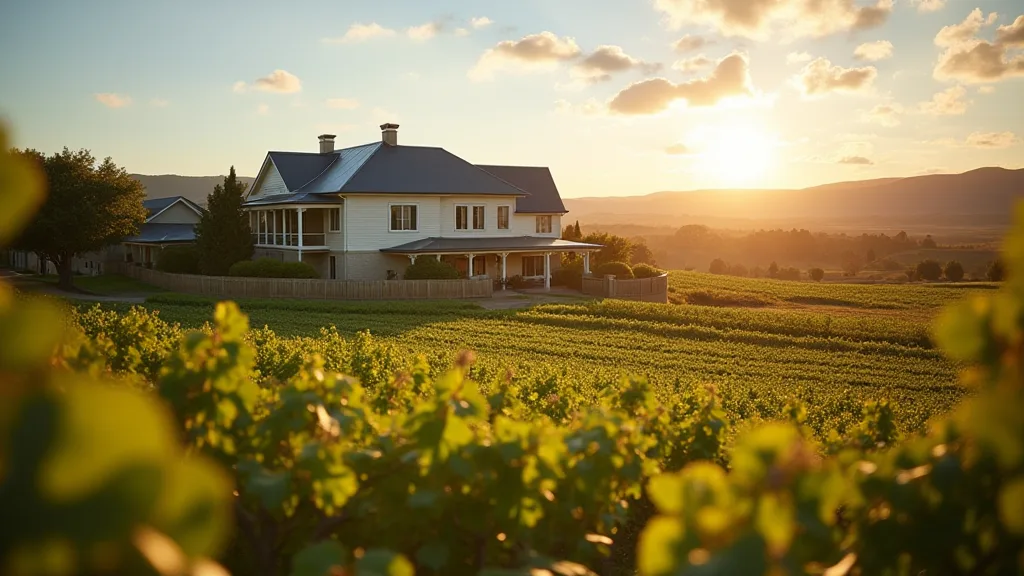
Despite the agricultural turbulence, the residential property market in the Riverland is offering exceptional value for money. David Kanizay, principal at Elders Riverland, notes that median house prices in towns like Loxton and Renmark sit in the mid-$400,000s. This stands in sharp contrast to the Barossa Valley, where median prices hover around $850,000.
For residents looking to move from high-cost areas like Adelaide or the Barossa to the Riverland, the financial benefit is substantial. Buyers can cash in their existing properties and still have capital left over for retirement or holidays. The region’s appeal is further bolstered by the rise of remote work, which reduces the impact of its distance from major urban centers. Communities in the area are described as safe and sports-focused, making them attractive for long-term living.
A Shift in Agricultural Focus
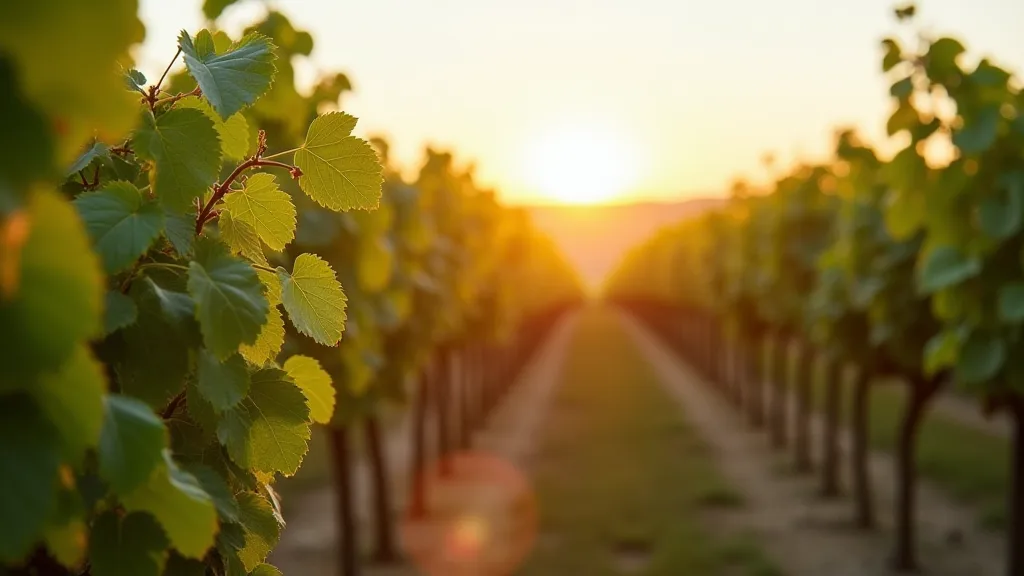
The future of the Riverland’s agricultural sector lies in diversification. With red wine vineyards becoming financially unviable, many landowners are turning off irrigation and allowing vines to die in preparation for new crops. This transition creates opportunities for buyers interested in alternative agriculture, such as growing pumpkins, parsnips, oranges, or capsicums in greenhouses.
Christie argues that the Riverland is a viable option for those willing to look past its current challenges. The region offers plenty of employment opportunities arising from this shift away from viticulture toward other produce. For investors and farmers alike, the ability to acquire fully irrigated land at prices significantly lower than those in the Mid-North or South East regions presents a compelling case for entry into the market now.
Pricing Anomalies and Lifestyle Appeal
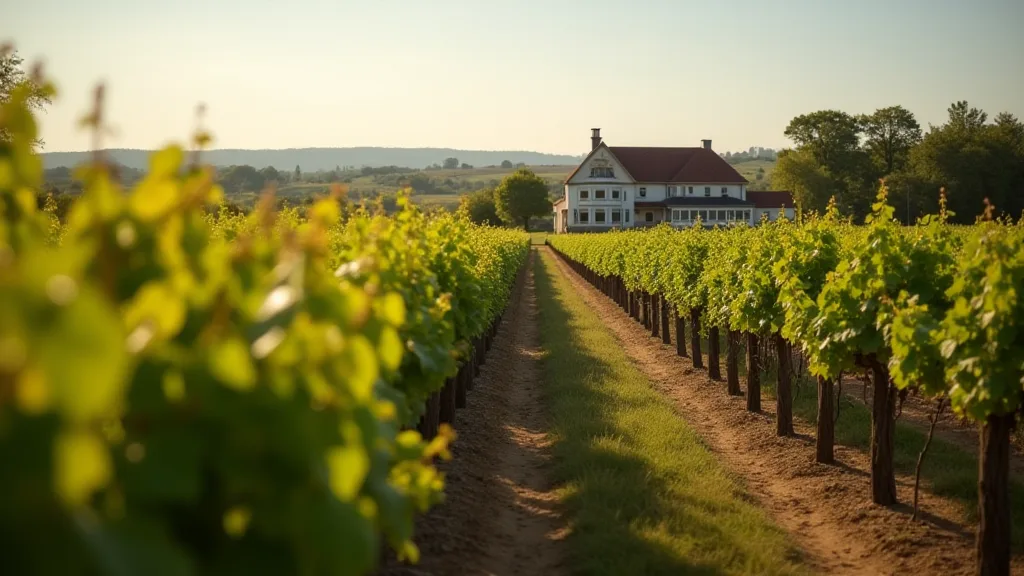
The depth of value in the Riverland is perhaps best illustrated by specific property comparisons. Christie recently showcased a renovated 100-square-meter stone home on 5,000 square meters of land, located just 100 meters from the river in Berri. The asking price was $730,000, which he describes as "crazy money" given that it is less than what one might pay for a house in Elizabeth, a suburb of Adelaide.
This pricing anomaly underscores the broader sentiment among experts: the Riverland remains one of the last true bargains in South Australian real estate. While the vineyard market faces an existential crisis, the combination of affordable housing, cheap agricultural land, and a high quality of life makes it an attractive destination for retirees and investors ready to adapt to new agricultural realities.